About this project
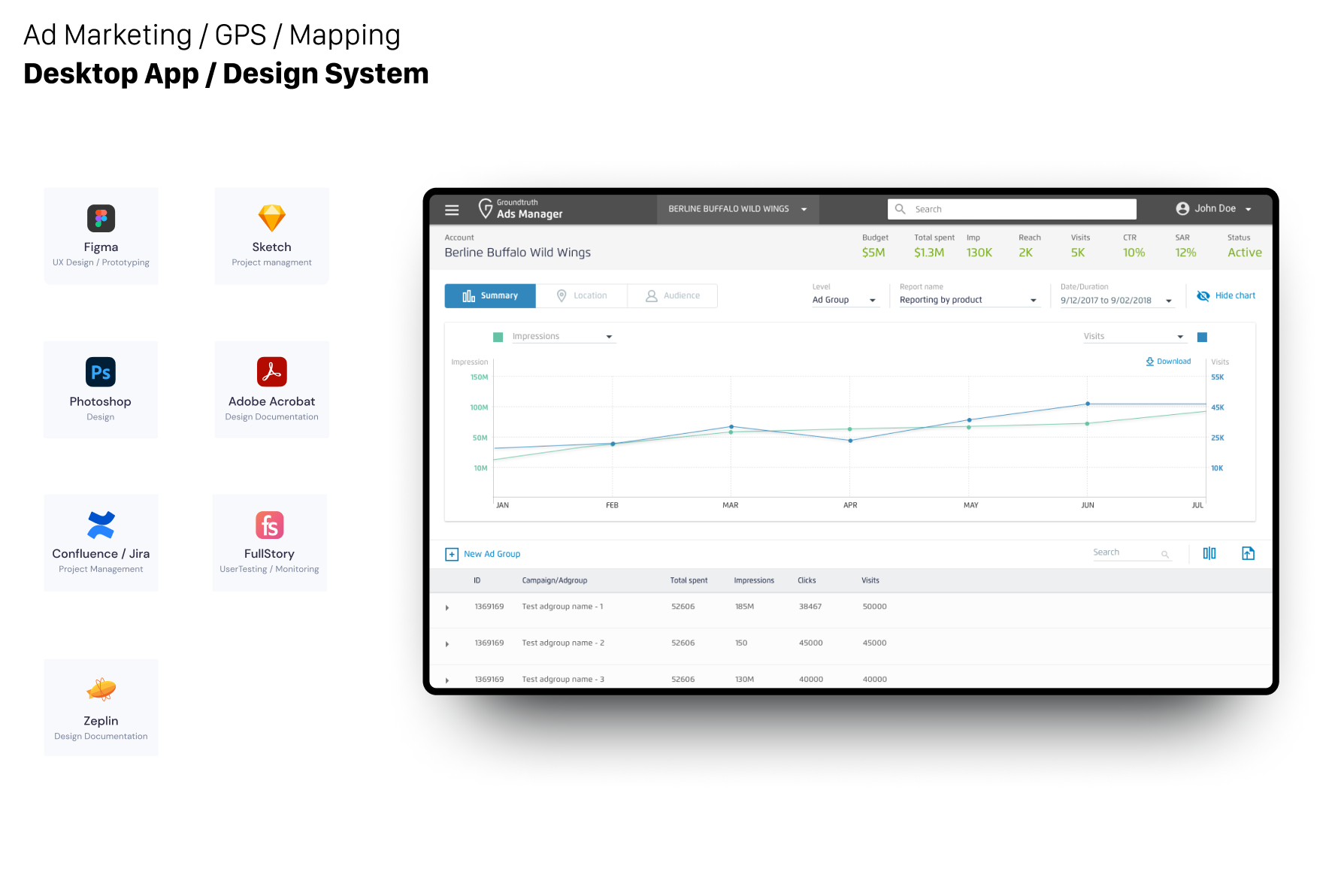
Combining dashboard development based on geolocation and predictive models with updated branding and a newly developed design system ensures a cohesive and visually appealing user experience. Here was my approach:
Data Dashboard
Brand Refresh- Conduct a brand audit to evaluate the current brand assets, messaging, and visual identity.
- Update the brand elements such as logo, color palette, typography, and imagery to reflect the refreshed brand identity.
- Define brand guidelines that outline the proper usage of the updated brand elements across various touchpoints, including the dashboard interface.
- Establish a design system that incorporates the updated brand elements and ensures consistency in design across the dashboard interface.
- Define reusable UI components, patterns, and styles within the design system, aligned with the updated brand guidelines.
- Develop a UI kit or design library that contains all the predefined components and styles for easy reference and implementation by designers and developers.
 ⛶ Full size
- Gather relevant data sources, including geolocation data, historical trends, demographic information, and any other data pertinent to the predictive models.
- Clean, preprocess, and integrate the data into a centralized database or data warehouse for analysis.
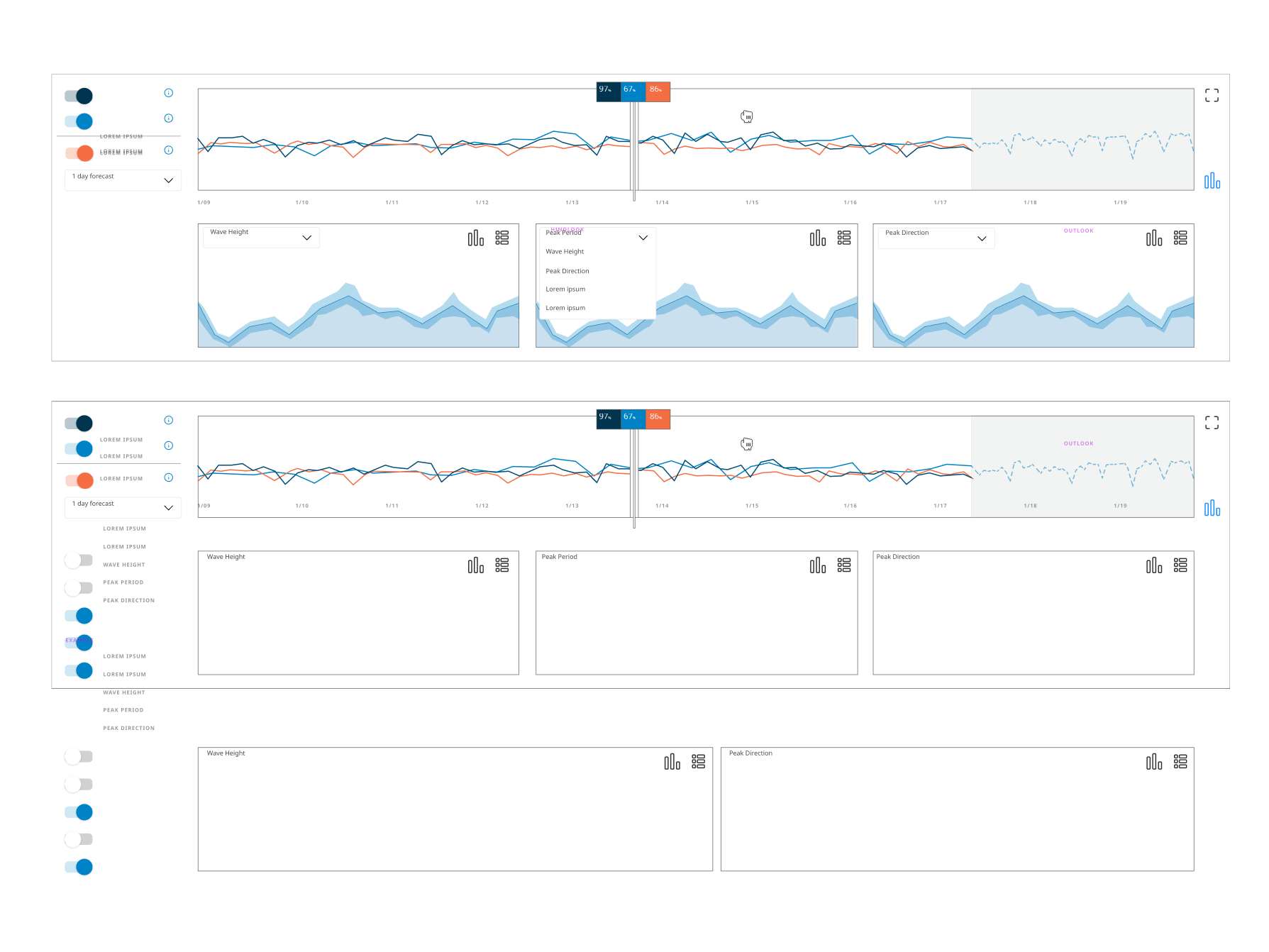
- Design the dashboard interface, integrating the updated brand elements and adhering to the design system guidelines.
- Implement interactive visualization components such as maps, charts, graphs, and tables to represent the predictive model outputs and geolocation data.
- Ensure the dashboard is responsive and performance across different devices and screen sizes, following the principles of the design system.
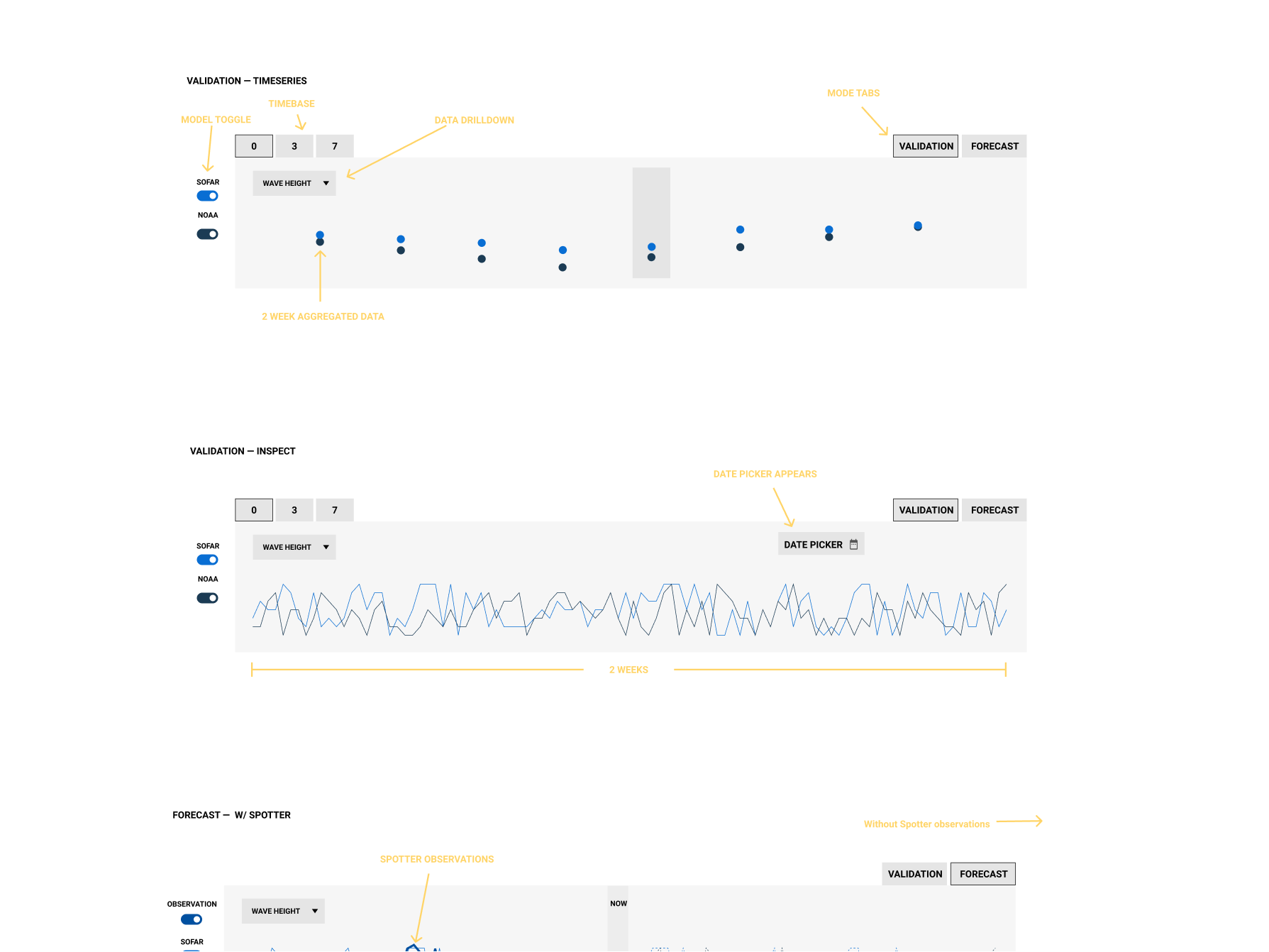 ⛶ Full size
- Conduct thorough testing of the dashboard functionality, including data accuracy, model performance, and user interactions.
- Gather feedback from stakeholders and end-users to identify any usability issues or areas for improvement, ensuring alignment with the updated brand identity and design system.
By following this approach, I developed a dashboard that not only leverages geolocation data and predictive models but also reflects the updated brand identity and design system, providing end users with a cohesive and visually appealing experience.
- Deploy the dashboard to the production environment, ensuring scalability, reliability, and performance.
- Establish a testing plan to monitor the dashboard's performance, address any issues, and incorporate updates or enhancements as needed, maintaining consistency with the design system.
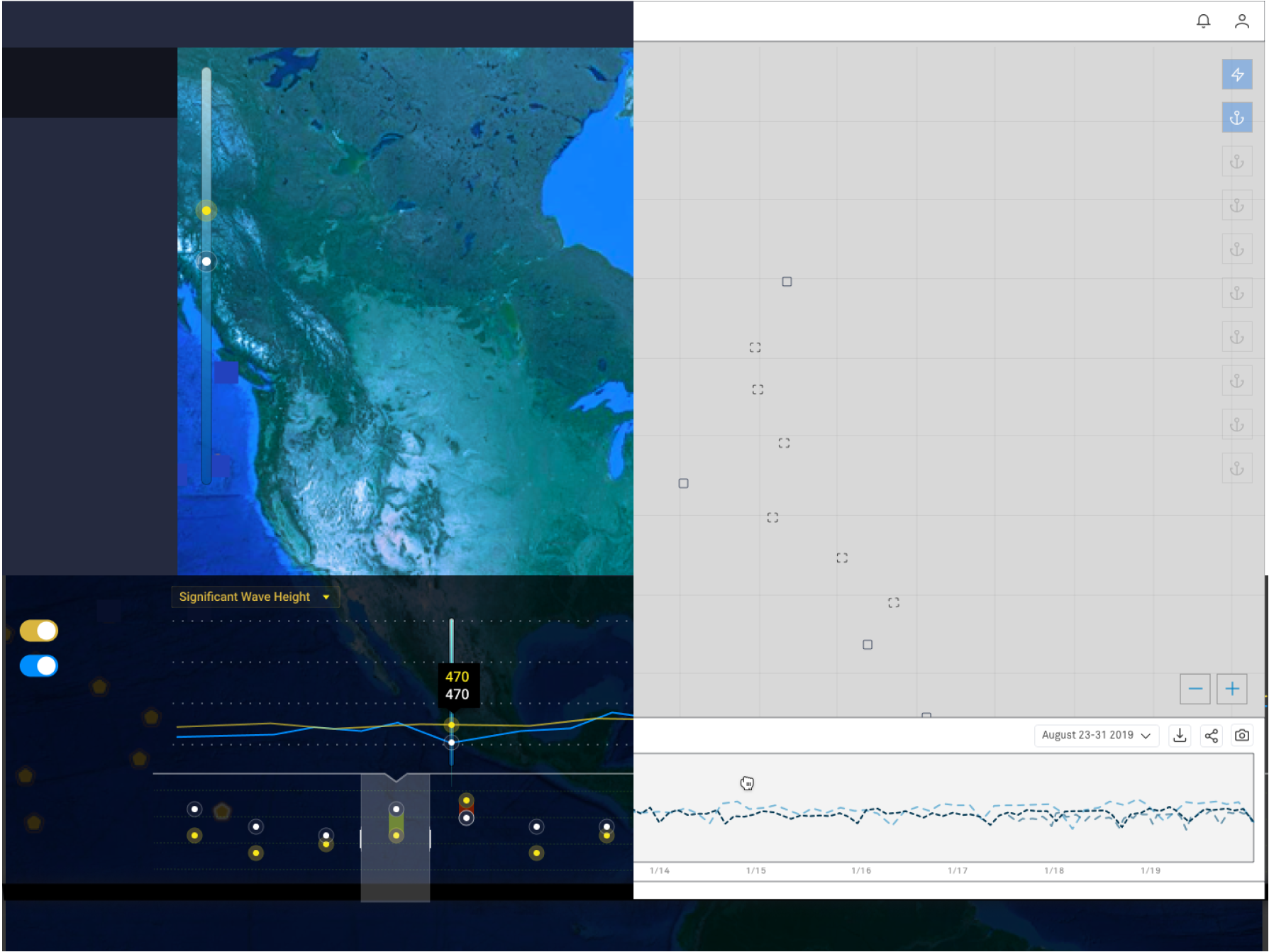 ⛶ Full size
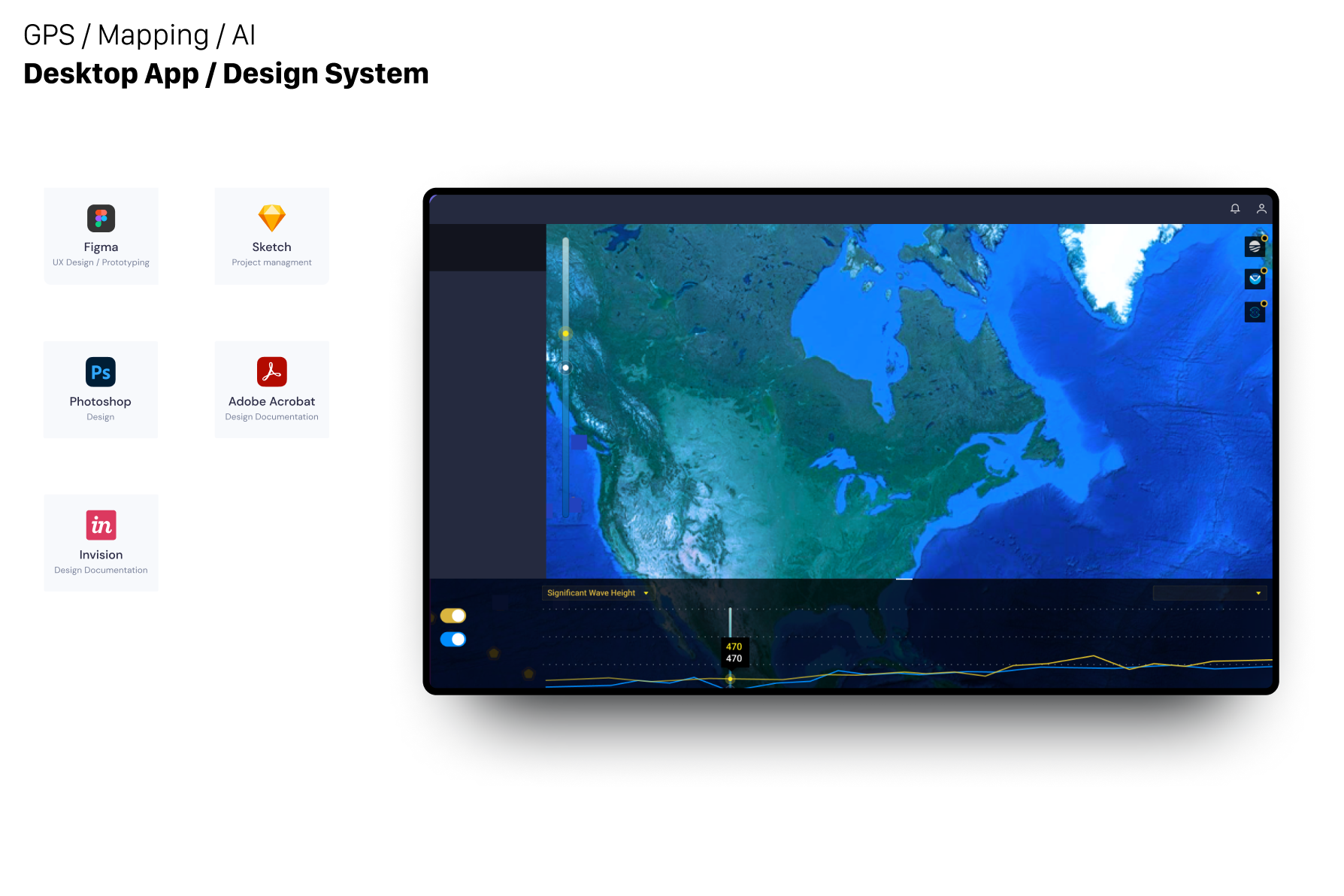 ⛶ Full size
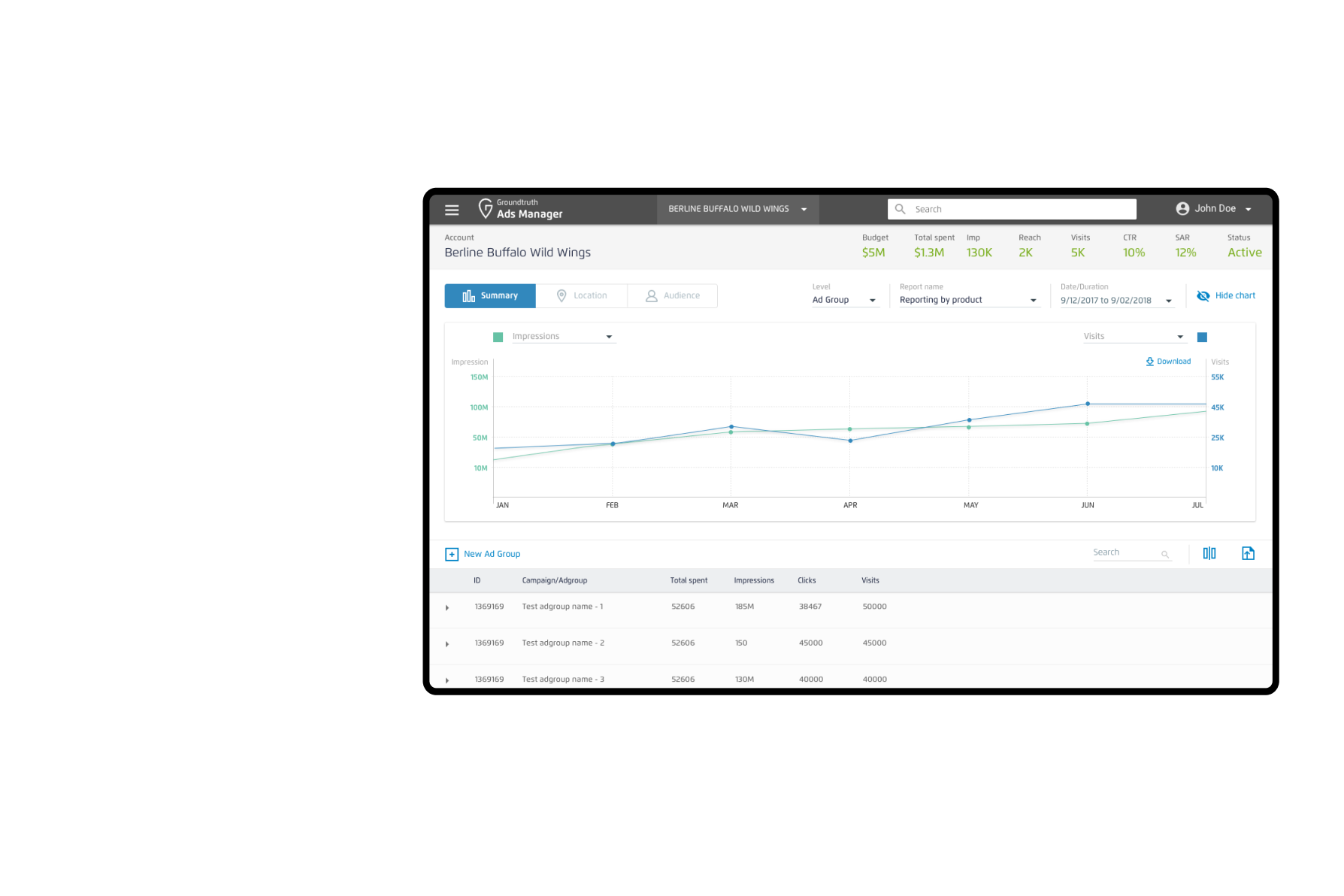 ⛶ Full size
 ⛶ Full size
 ⛶ Full size