About this project
Redesigning a mobile operating system (OS) from the bottom up for enhanced performance involved a comprehensive approach that encompassed architecture design, performance optimization, user interface redesign, and prototyping. Here's how I approached this project:
OS and Supporting Apps
Define Goals and Objectives- Identify the specific performance goals you want to achieve with the redesigned mobile OS, such as faster app loading times, smoother multitasking, improved battery life, and reduced memory usage.
- Consider user experience enhancements, security improvements, and compatibility with a wide range of mobile devices.
- Choose a system architecture that supports the desired performance characteristics and scalability for mobile devices.
- Consider factors such as memory management, process scheduling, power management, and hardware abstraction layers.
- Design a modular architecture that allows for easy integration of new features and optimizations.
 ⛶ Full size
- Identify performance bottlenecks in the existing mobile OS or areas for improvement based on user feedback and performance analysis.
- Optimize critical components such as the kernel, memory management subsystem, file system, and graphics rendering pipeline for enhanced performance.
- Utilize techniques such as code profiling, compiler optimizations, and hardware acceleration to improve efficiency and responsiveness.
- Integrate robust security features into the mobile OS design to protect user data and privacy.
- Implement mechanisms for secure boot, data encryption, sandboxing, and permission management to prevent unauthorized access and mitigate security risks.
- Ensure compliance with industry standards and regulations related to mobile security and privacy, such as GDPR and HIPAA.
 ⛶ Full size
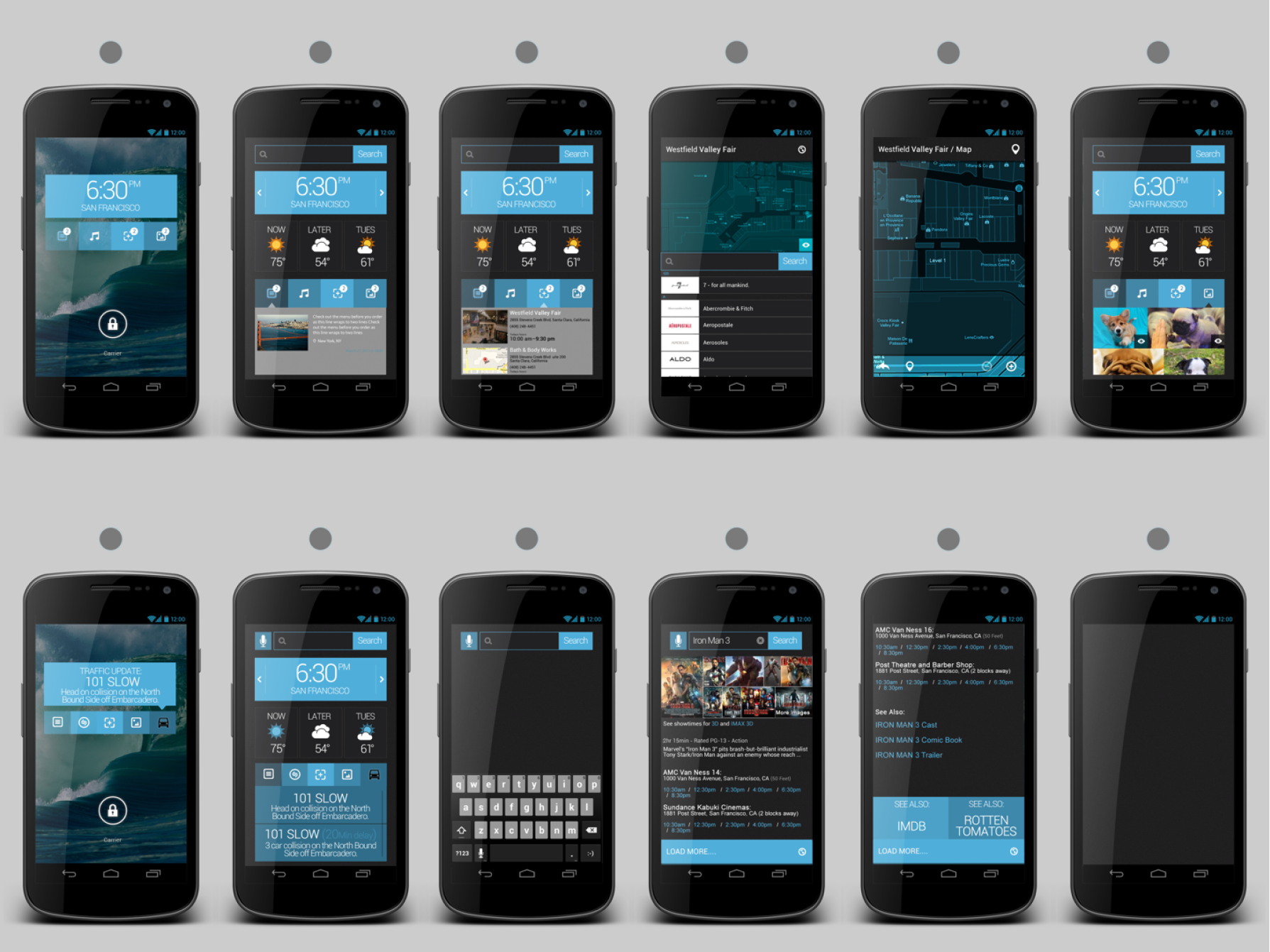
- Design a modern and intuitive user interface that enhances usability, accessibility, and user engagement.
- Simplify navigation, reduce clutter, and streamline user interactions to improve the overall user experience.
- Incorporate visual enhancements, animations, and gestures to make the mobile OS visually appealing and engaging.
- Develop a working prototype of the redesigned mobile OS, starting with a minimal viable product (MVP) that demonstrates core functionality and performance improvements.
- Use prototyping tools, programming languages, and development frameworks suitable for mobile OS development, such as Kotlin, Swift, React Native, or Flutter.
- Implement key components of the mobile OS, including the kernel, device drivers, system services, user interface elements, and pre-installed apps, iteratively refining and optimizing the design based on feedback and testing.
 ⛶ Full size
- Conduct rigorous testing of the prototype mobile OS to validate its performance, functionality, and compatibility with a variety of mobile devices and use cases.
- Use automated testing tools, emulators, and real-world testing scenarios to identify and address issues efficiently.
- Gather feedback from beta testers, early adopters, and user focus groups to assess user satisfaction and identify areas for improvement.
By following these steps and creating a working prototype of the redesigned mobile OS, delivering an innovative and high-performance mobile computing platform that meets the needs of potential users and enables new possibilities for Samsung.
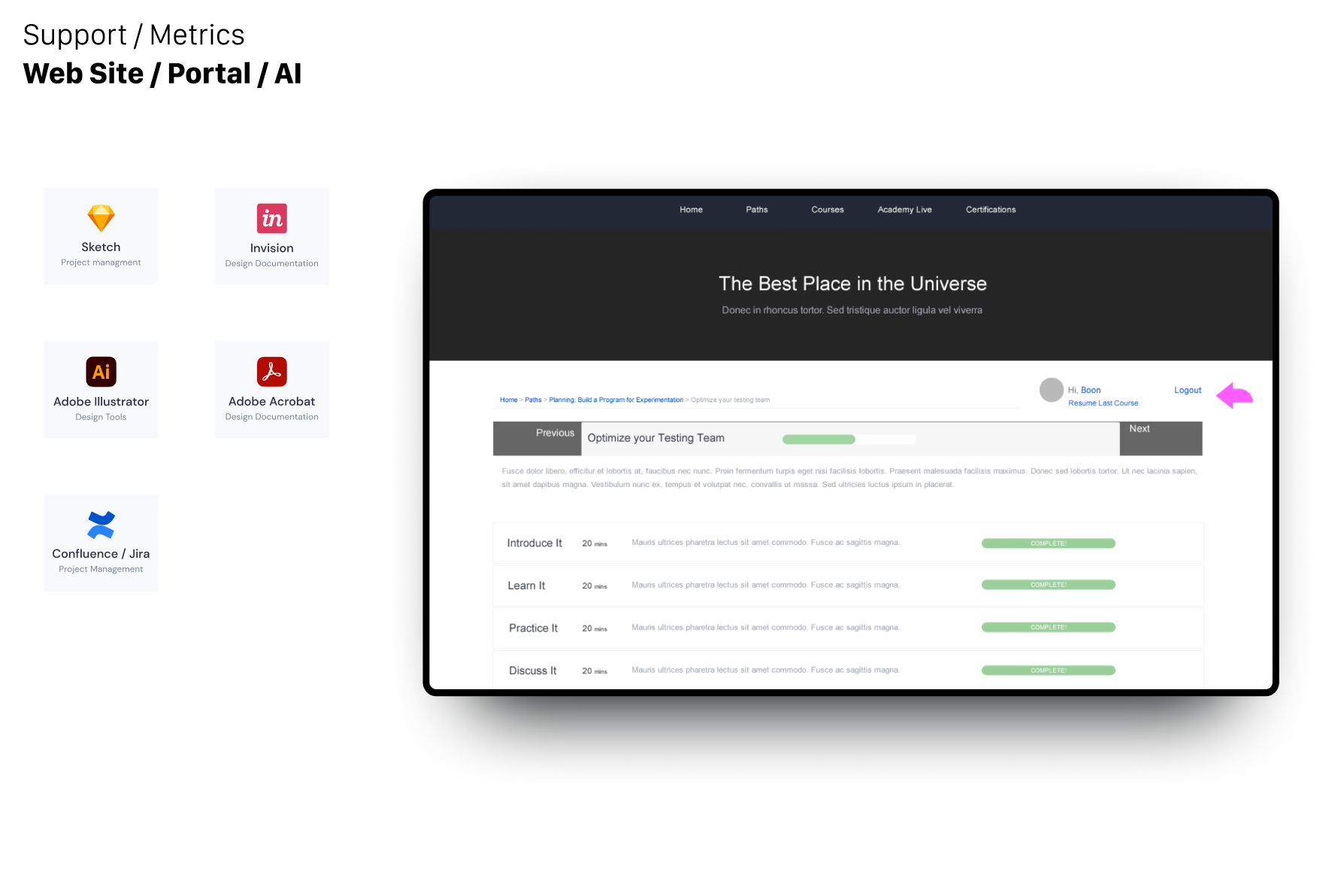
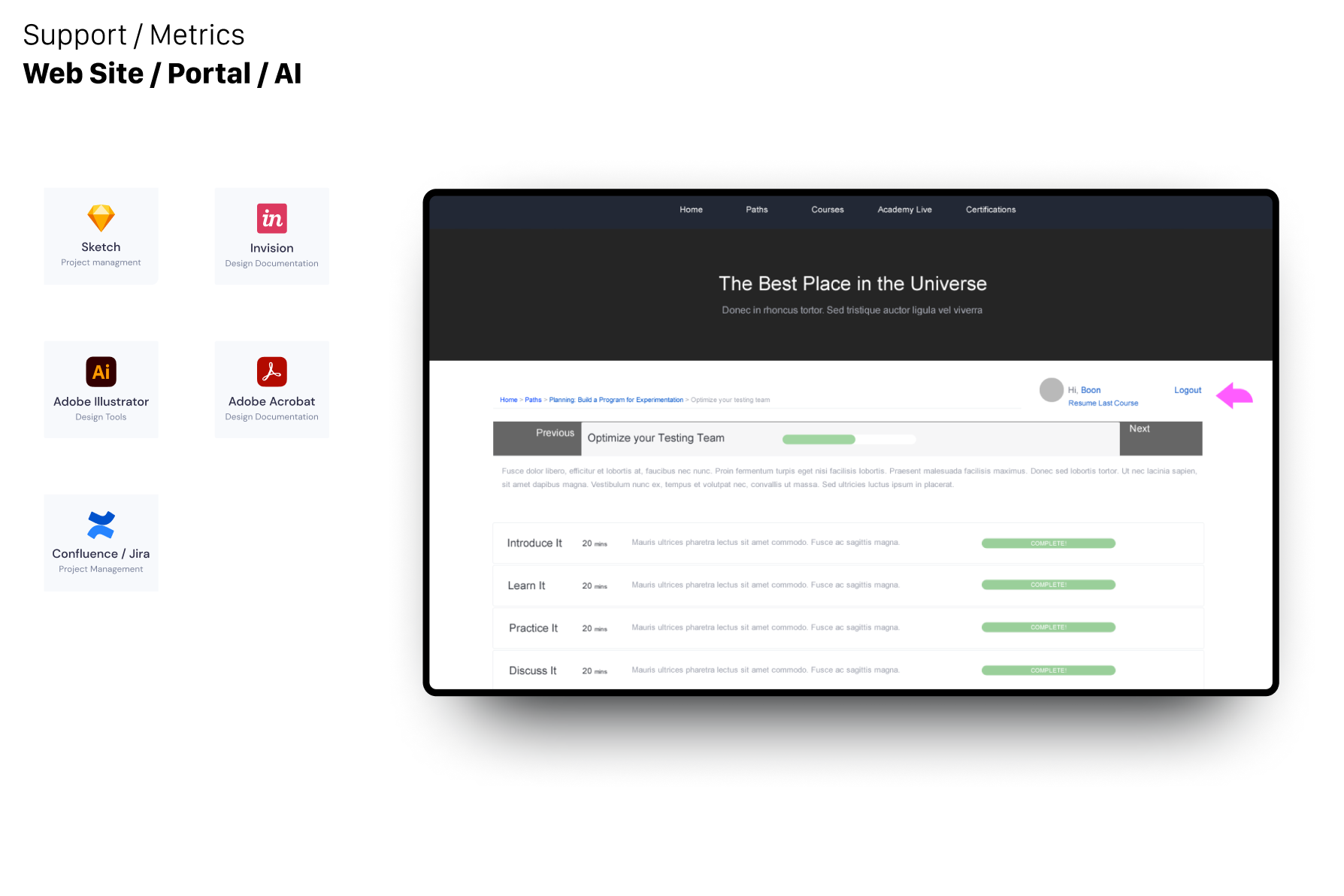
- Create documentation, tutorials, and user guides to help users understand the features and capabilities of the redesigned mobile OS.
- Provide technical support channels, community forums, and developer resources for users and app developers to seek assistance, report issues, and share feedback with the development team.
 ⛶ Full size
 ⛶ Full size