About this project
Performing a UX audit and devising a mobile app strategy for an online weight loss app involves several key steps to evaluate and enhance the user experience:
UX Audit and Strategy
User Research and Analysis- Conduct comprehensive user research to understand the target audience, including their demographics, motivations, goals, and pain points related to weight loss.
- Analyze user feedback, app usage data, and reviews to identify common issues and areas for improvement in the current app experience.
- Investigate competitors and similar weight loss apps to benchmark against industry standards and best practices.
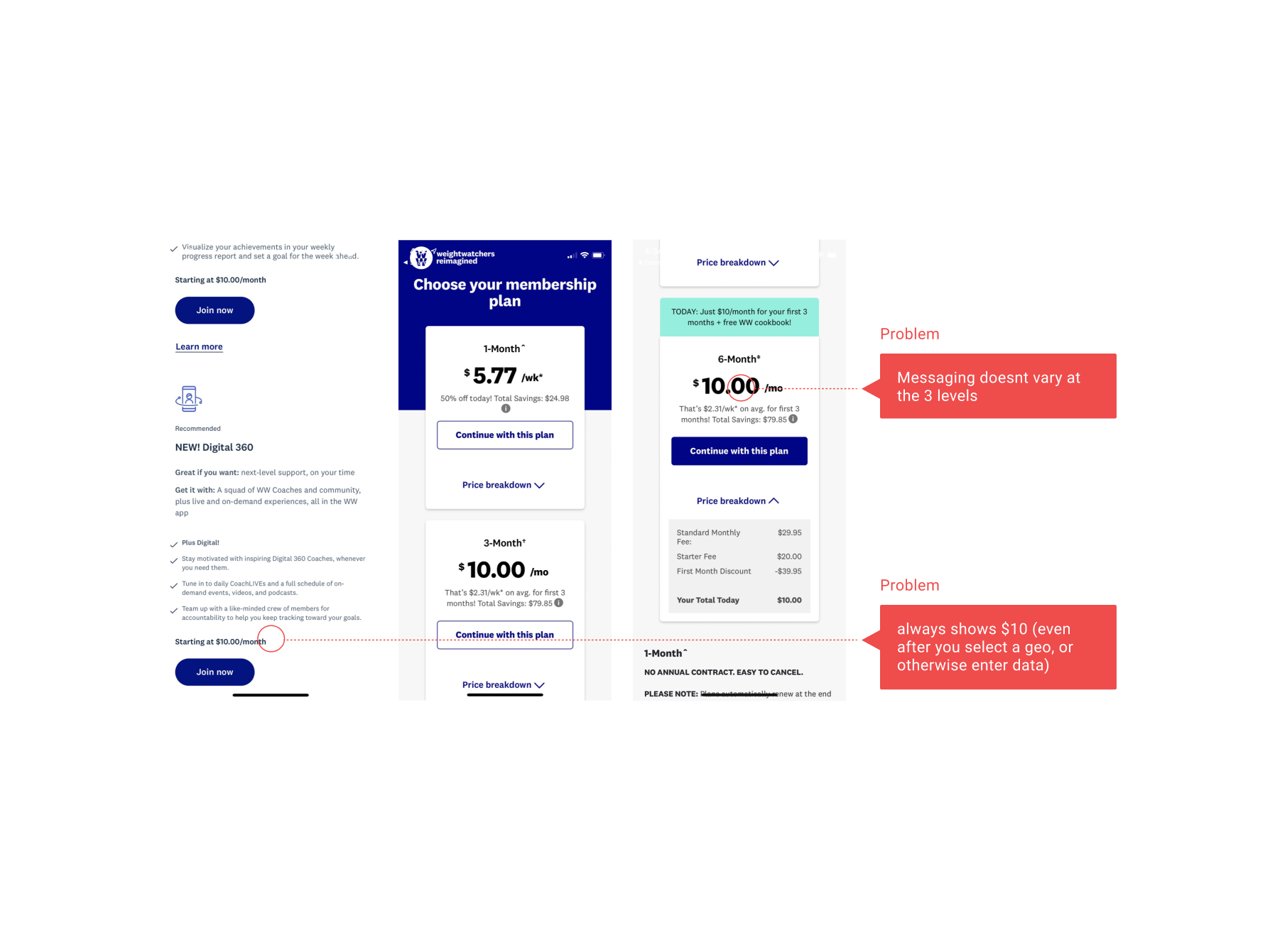
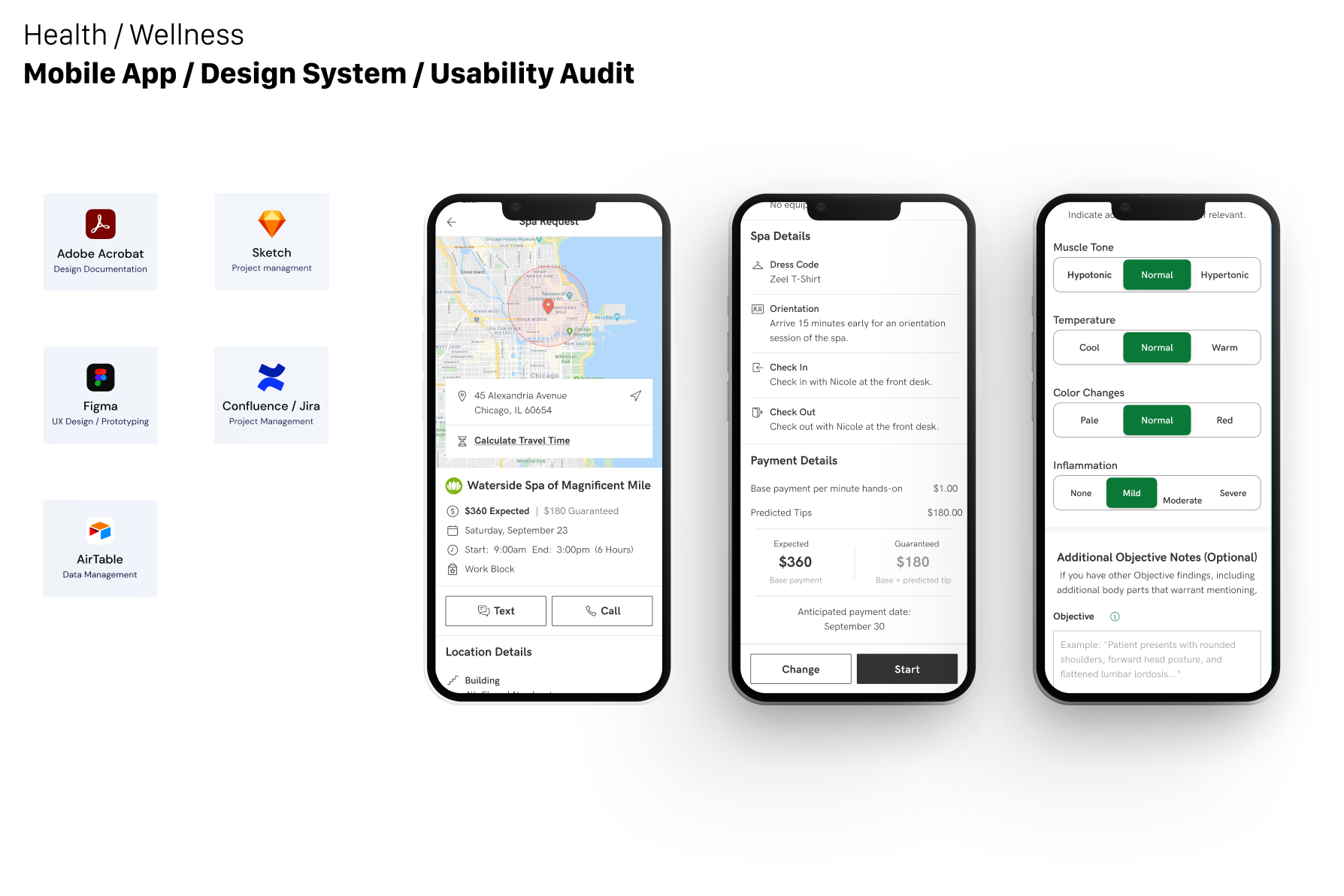
- Evaluate the app's usability, accessibility, and overall user experience across key touchpoints, including onboarding, goal setting, tracking progress, accessing resources, and engaging with community features.
- Assess the effectiveness of the app's features, functionalities, and navigation structure in helping users achieve their weight loss goals.
- Review the visual design elements, including typography, color palette, imagery, and iconography, for consistency, clarity, and alignment with brand identity.
 ⛶ Full size
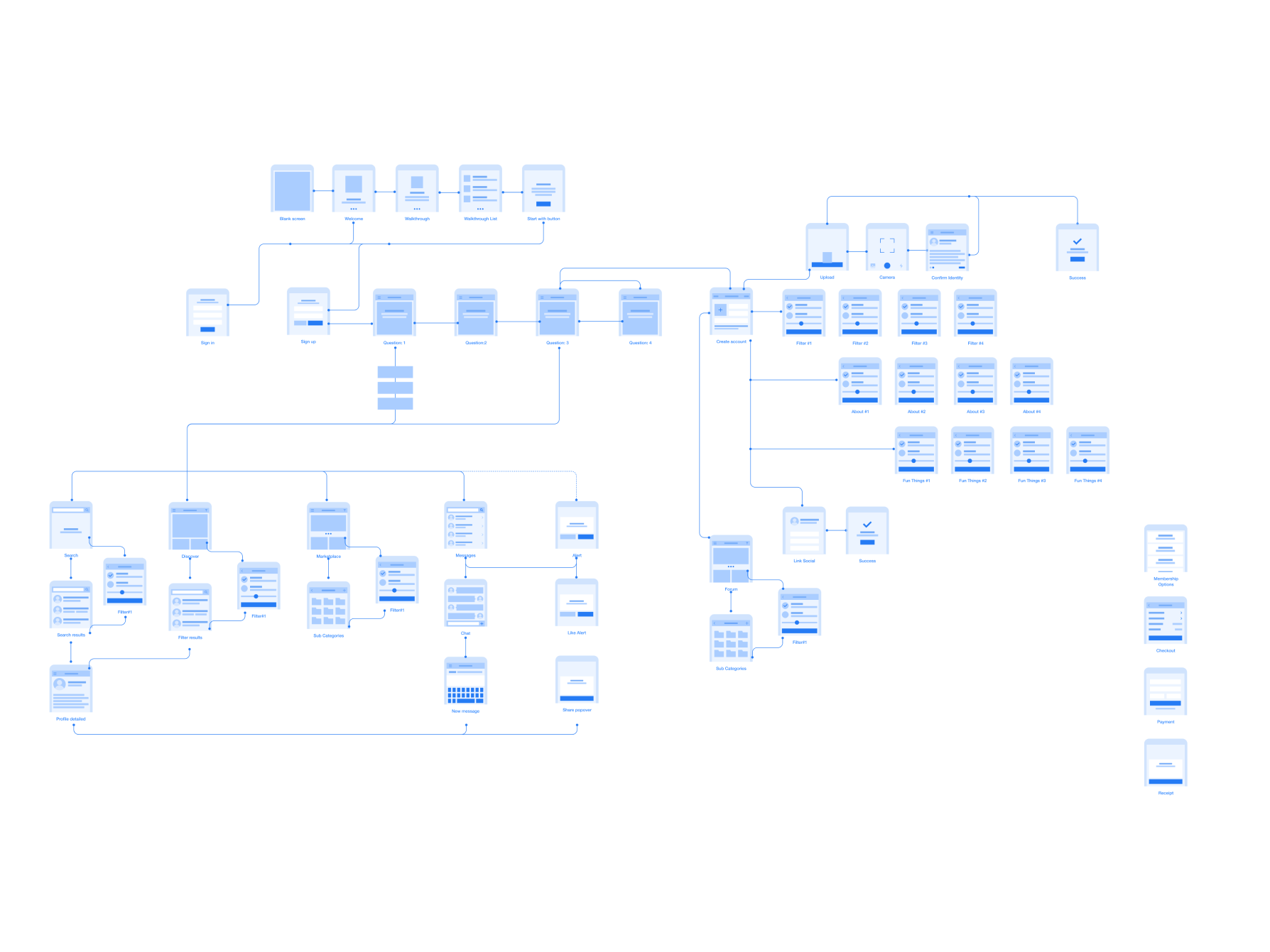
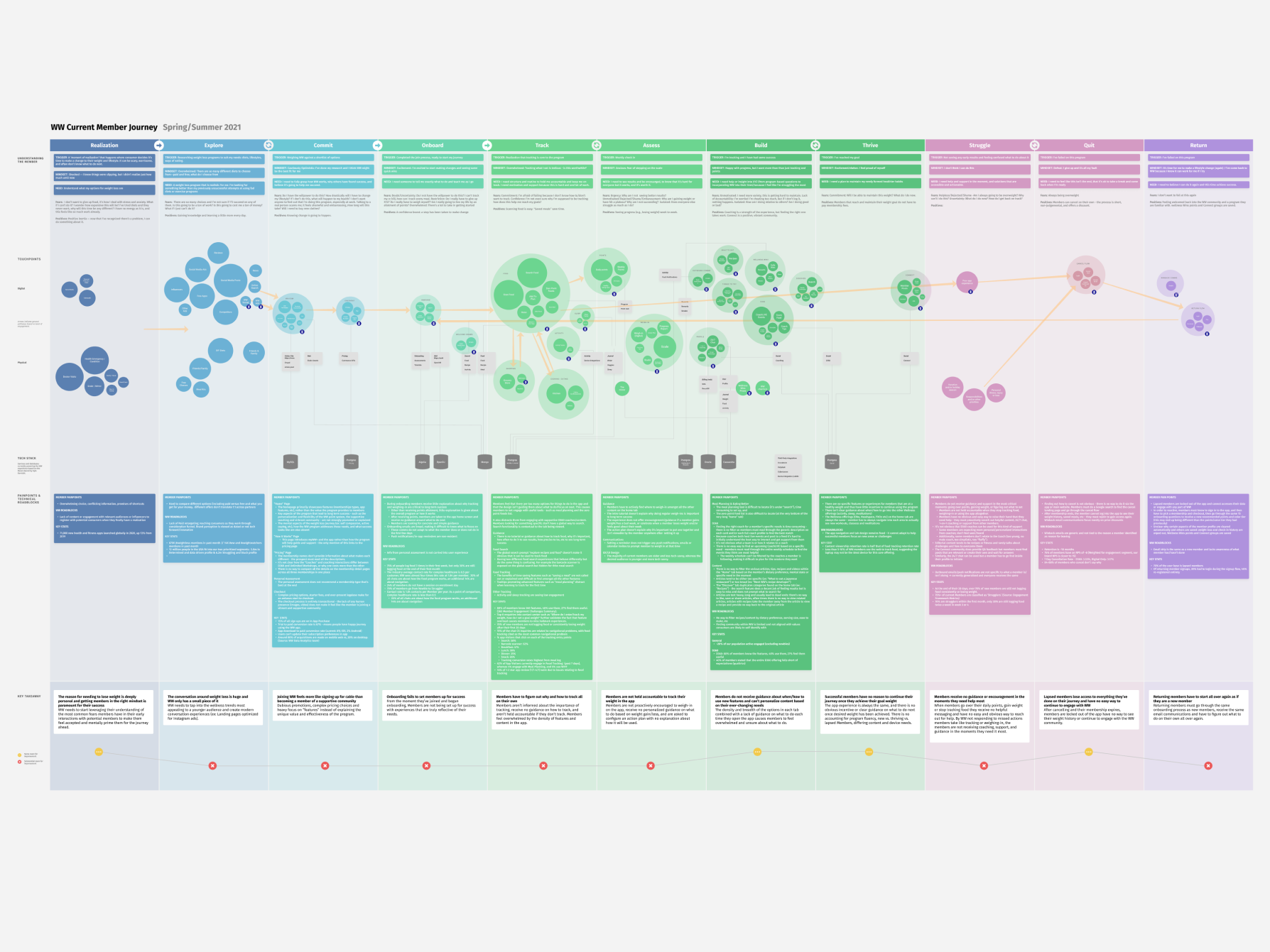
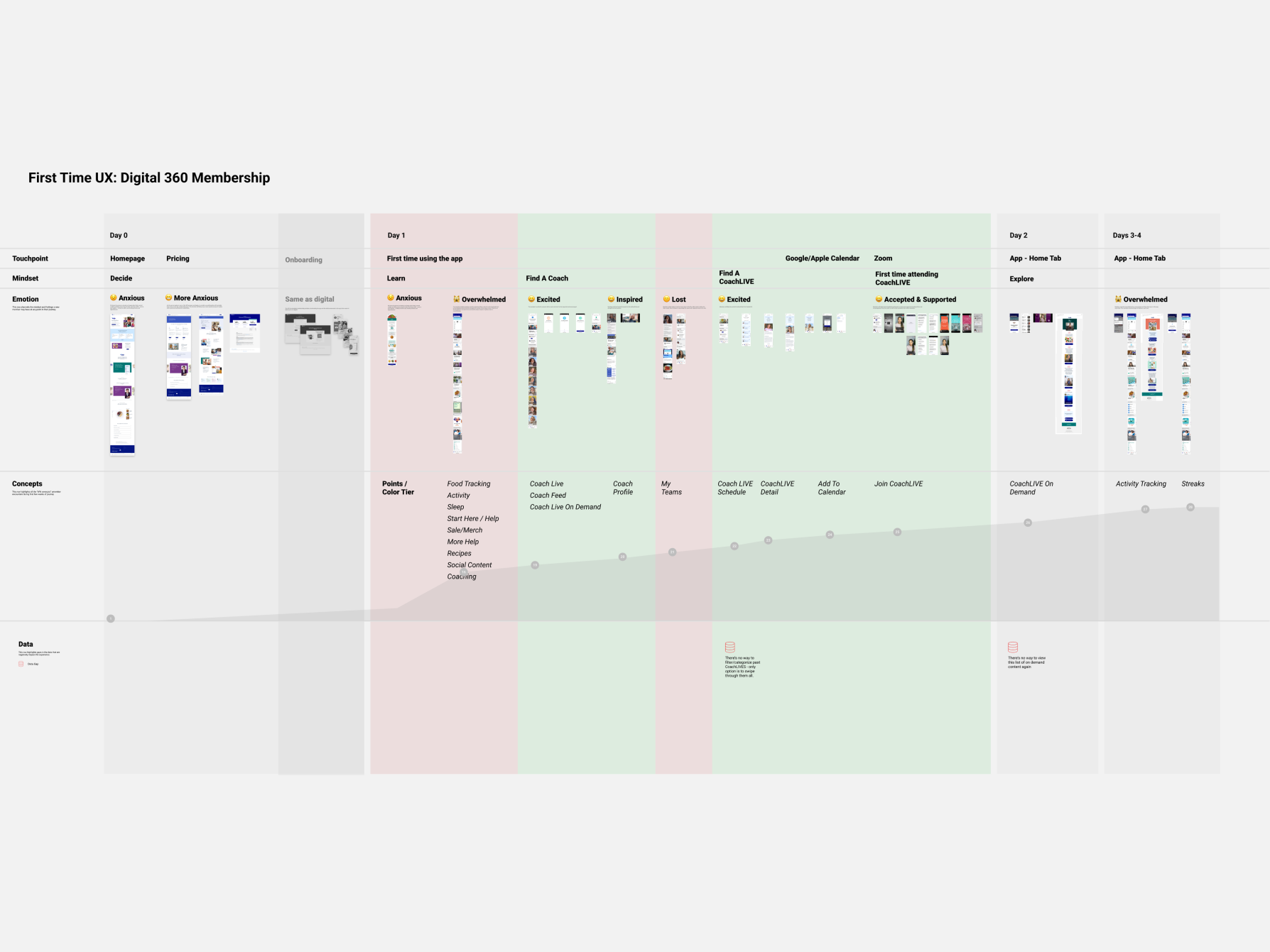
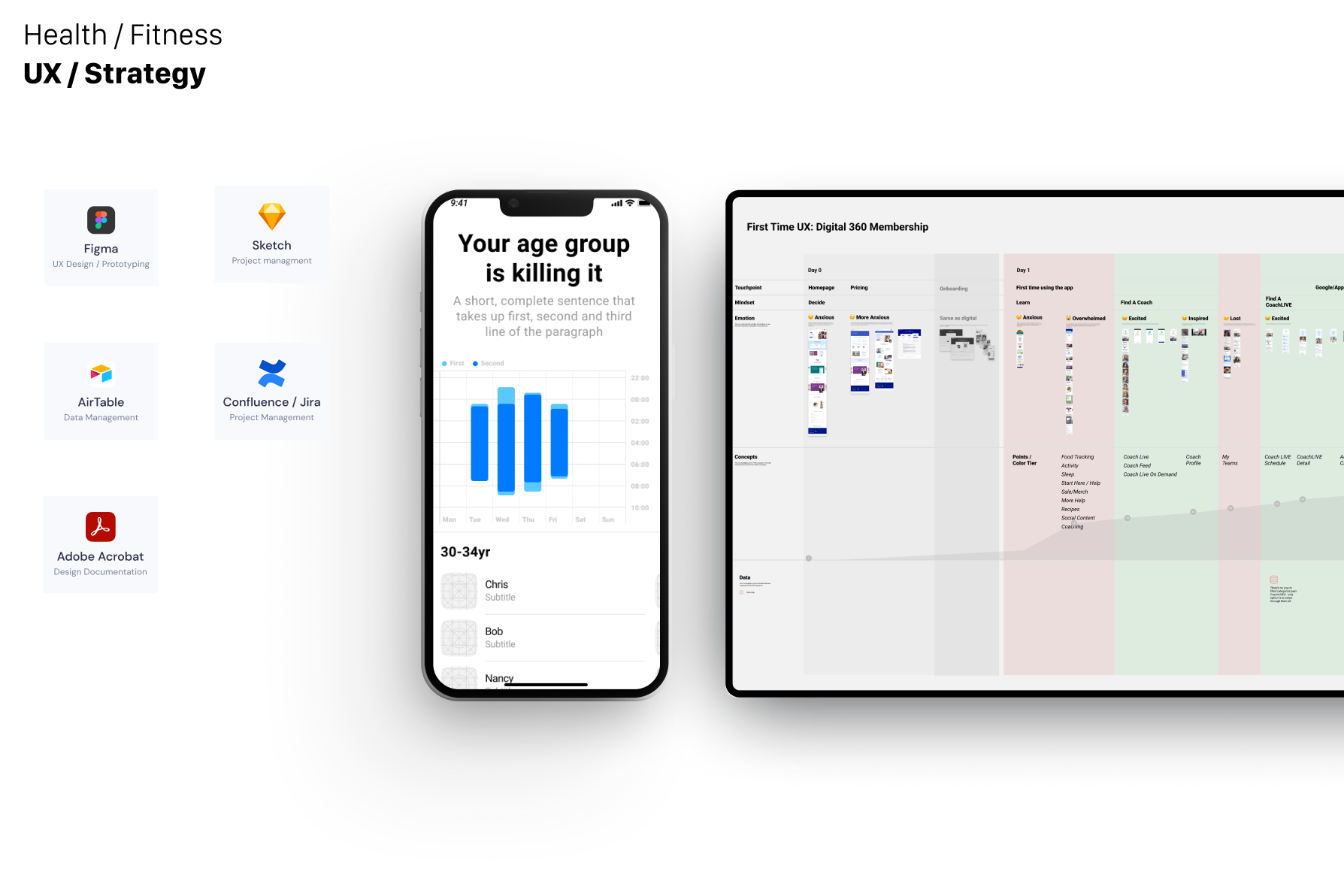
- Map out the user journey within the app, from initial sign-up and goal setting to ongoing progress tracking and engagement with community features.
- Identify pain points, bottlenecks, and areas of friction in the user journey where users may encounter obstacles or confusion.
- Gather feedback from users through surveys, interviews, and usability testing sessions to understand their experiences, preferences, and needs.
- Encourage users to provide feedback within the app through feedback forms, rating prompts, and in-app messaging features.
 ⛶ Full size
- Prioritize updates based on the findings from the UX audit, focusing on areas with the greatest impact on user experience and engagement.
- Consider user feedback and data analytics to inform decision-making and prioritize features and improvements that address user needs and pain points.
- Define a clear vision and goals for the mobile app, including the target audience, value proposition, and desired outcomes for users.
- Develop a roadmap for the app's evolution, outlining key milestones, feature releases, and updates to enhance the user experience and drive user engagement.
- Identify opportunities for innovation and differentiation in the market, such as integration with wearable devices, personalized coaching, or gamification elements.
- Define success metrics and KPIs to measure the effectiveness of the app strategy and track progress towards achieving business objectives.
 ⛶ Full size
- Implement improvements to address the identified issues and enhance the overall user experience of the mobile weight loss app.
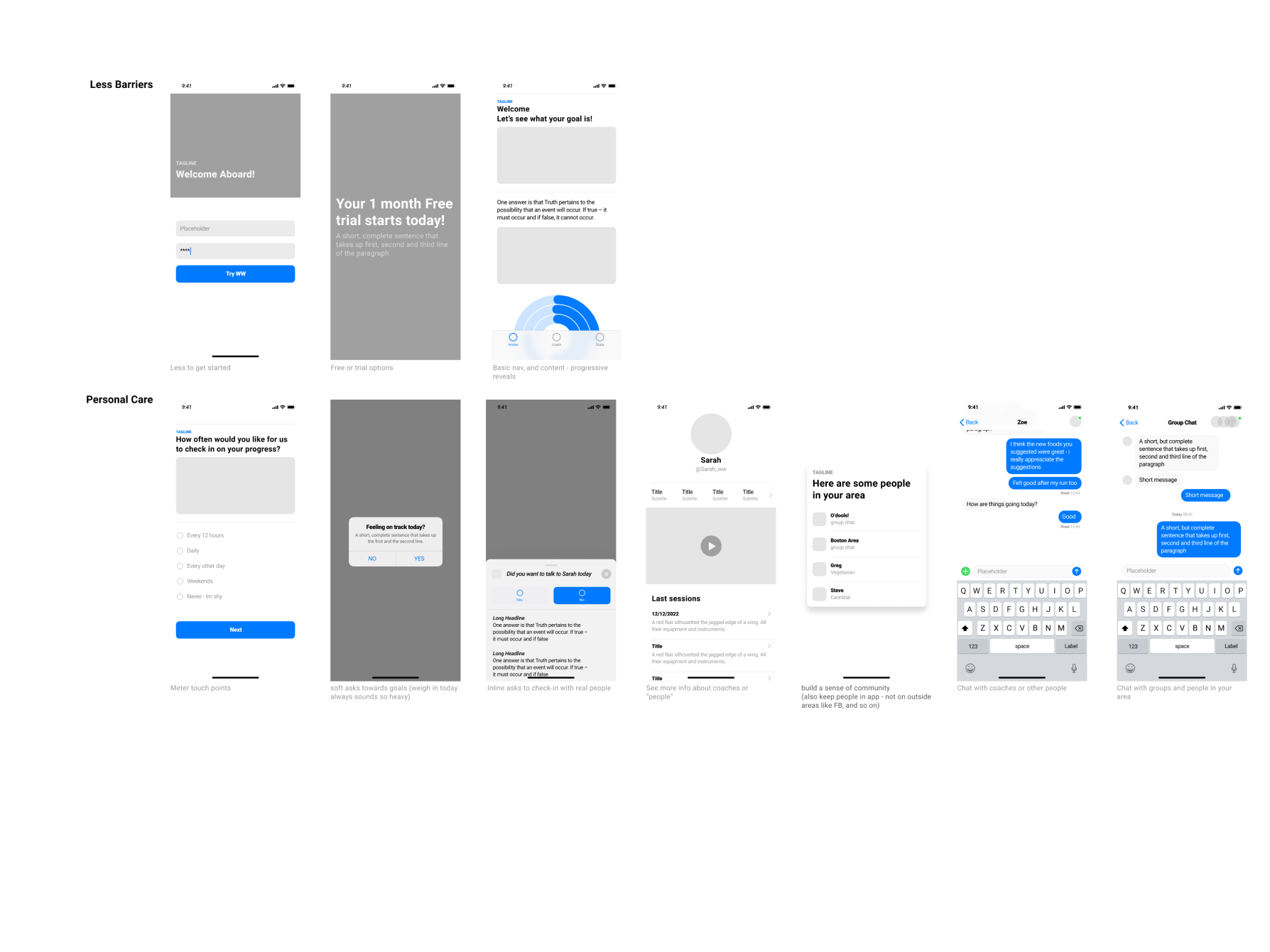
- Update the app's navigation structure to streamline user flows and make it easier for users to navigate between features and sections.
- Enhance the onboarding process to provide clear guidance and support for new users, helping them set realistic goals and get started on their weight loss journey.
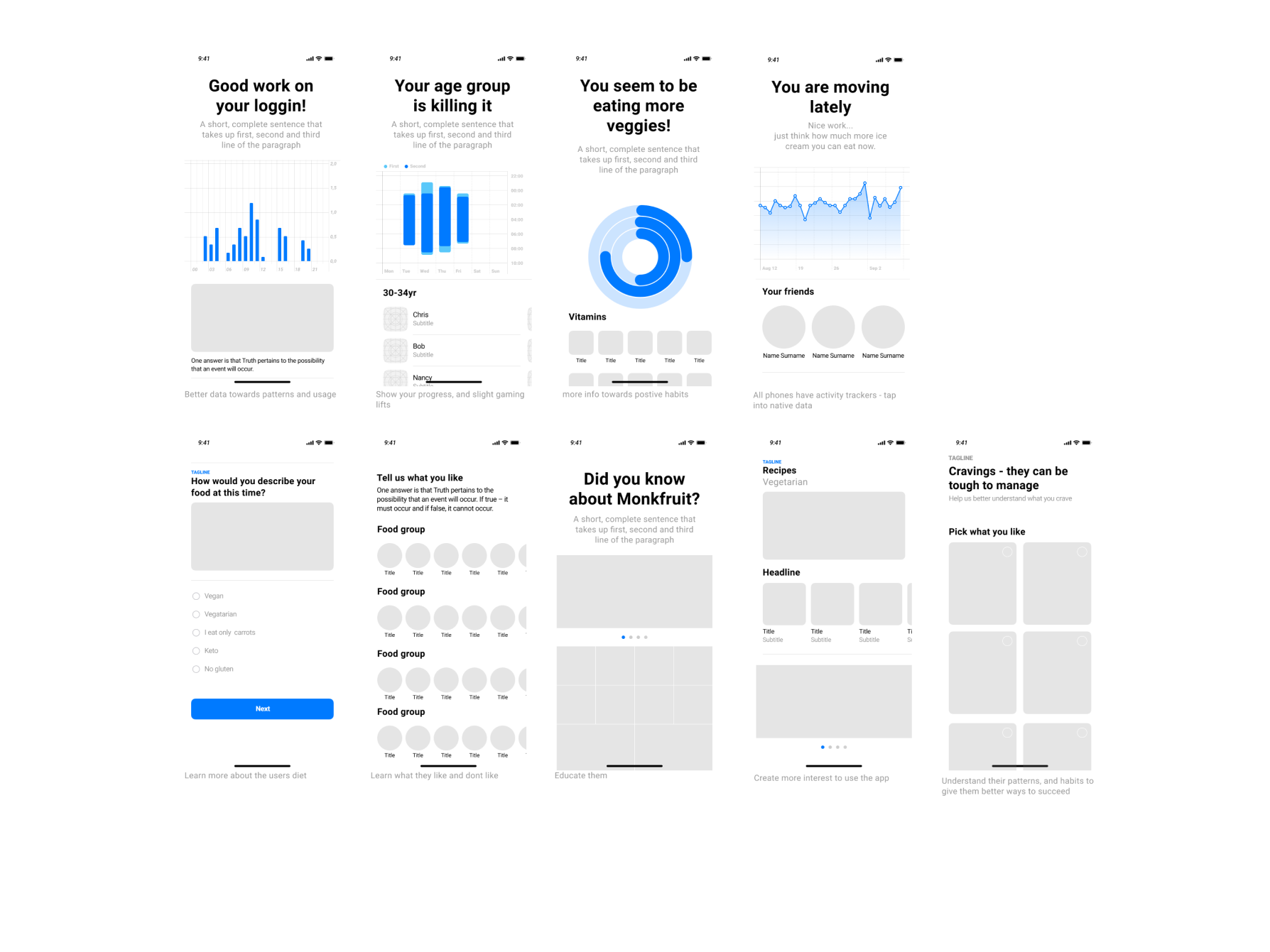
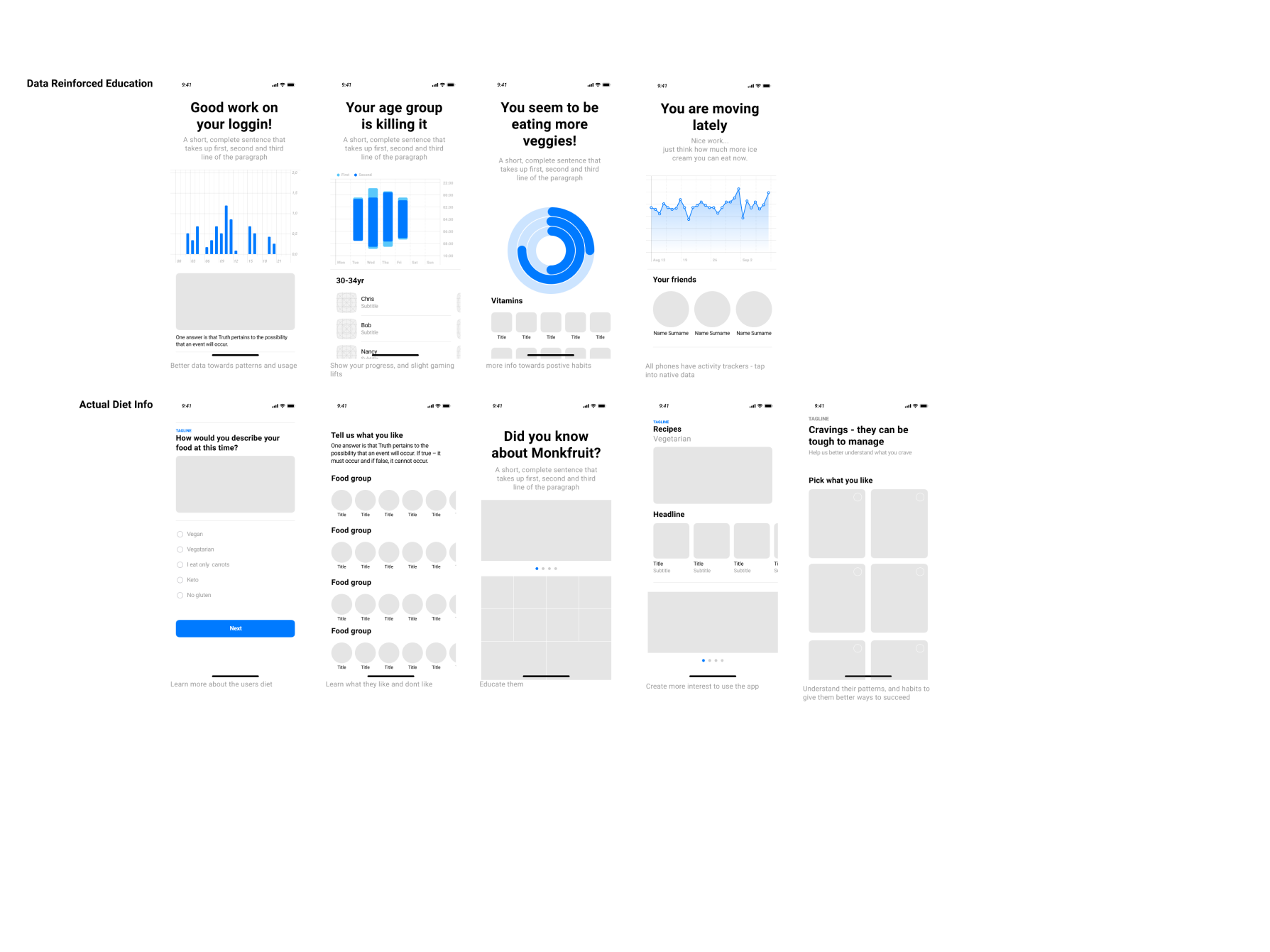
- Improve the visual design elements to enhance readability, visual hierarchy, and aesthetics, while ensuring accessibility for users with diverse needs.
- Conduct thorough testing of the updated app to ensure that the changes have been implemented correctly and that the user experience has been improved.
- Perform usability testing with real users to validate the effectiveness of the updates and gather additional feedback for further refinement.
- Iterate on the updates based on testing results and user feedback, making adjustments as needed to optimize the user experience.
 ⛶ Full size
 ⛶ Full size
 ⛶ Full size
 ⛶ Full size
 ⛶ Full size
 ⛶ Full size
 ⛶ Full size